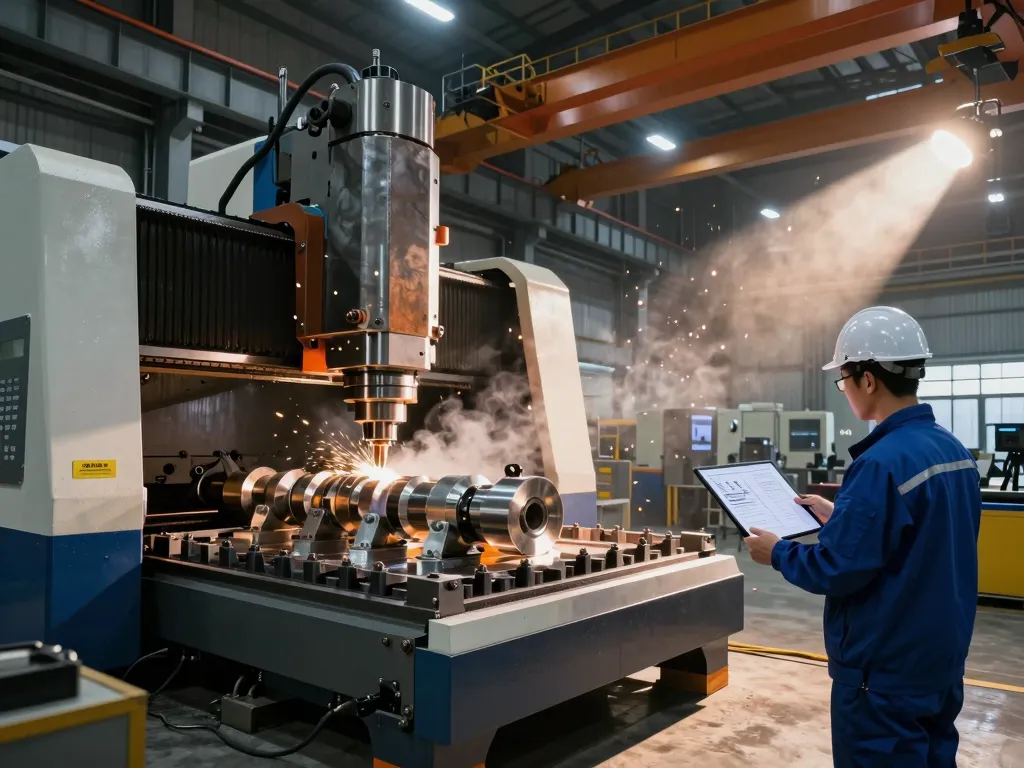
Understanding Heavy Industry: Key Elements and Applications
Heavy industry refers to the sector of the economy that involves large-scale manufacturing and production processes, often characterized by heavy machinery and significant capital investment. This sector plays a pivotal role in infrastructure development, manufacturing, and energy production, among others. In this section, we will explore essential components of heavy industry, compare various sectors, and delve into their applications.
Subsection 1.1: Types of Heavy Industry
Heavy industry encompasses a variety of sectors, each with unique characteristics and functions. The major types include:
- Mining and Metallurgy: Involves the extraction and processing of minerals and metals, contributing significantly to the raw materials supply chain.
- Construction: Covers large-scale building projects including residential, commercial, and civil engineering, often requiring massive machinery and equipment.
- Energy Production: Involves the generation of electricity from renewable and non-renewable sources, with heavy reliance on specialized equipment for extraction and processing.
Understanding these types helps consumers and businesses make informed decisions regarding investment and resource allocation.
Subsection 1.2: Key Equipment in Heavy Industry
The effectiveness of heavy industry relies heavily on specialized equipment. Here’s a comparative look at the essential machinery:
- Excavators: Vital for construction and mining, they differ in size and engine power based on the project scale.
- Cranes: Utilized in construction for lifting heavy materials, with variations such as tower cranes and mobile cranes tailored for specific project needs.
- Presses and Forge Machineries: Crucial for manufacturing processes in metallurgy, they vary in tonnage capacity and design depending on the material being processed.
Investing in the right equipment can enhance operational efficiency and reduce long-term costs.
Subsection 1.3: Regulatory and Safety Considerations
Heavy industry operates under stringent regulations to ensure worker safety and environmental protection. Key aspects include:
- Safety Standards: Entities such as OSHA in the U.S. set regulations governing workplace safety, which businesses must comply with to avoid legal repercussions.
- Environmental Regulations: Industries are often required to adhere to environmental protection laws to mitigate pollution and waste management.
- Quality Assurance: Regulations ensure that products meet specific standards, which is critical in industries such as construction where structural integrity is paramount.
Understanding these regulations is crucial for compliance and reputation management in heavy industry sectors.
Evaluating Heavy Machinery: A Comparative Guide
When purchasing heavy machinery, consumers must navigate a complex landscape of options. This section provides a comparative analysis of popular types of machinery, evaluating their features, pros, and cons to aid in purchasing decisions.
Subsection 2.1: Excavators vs. Backhoe Loaders
Excavators and backhoe loaders are both essential for construction sites but serve different functions.
- Excavators: Designed for digging and earth-moving, they offer greater reach and digging depth than backhoes. For instance, the Caterpillar 320D can reach depths of up to 20 feet.
- Backhoe Loaders: Versatile and compact, they are ideal for smaller jobs. The John Deere 310L can perform digging, lifting, and loading tasks, making it suitable for diverse applications.
In summary, choose excavators for larger-scale projects needing depth, while backhoes are better for versatility on smaller sites.
Subsection 2.2: Cranes: Tower vs. Mobile
Cranes are indispensable in heavy industry, with tower and mobile cranes serving distinct purposes.
- Tower Cranes: Fixed in position, suitable for high-rise building projects. The Potain MDT 178 offers a lifting height of up to 200 feet.
- Mobile Cranes: Versatile and can be moved between sites, making them excellent for various lifting tasks. The Liebherr LTM 11200-9.1 can lift up to 1,200 tons, ideal for heavy lifting.
Your choice should depend on project size and site flexibility, with tower cranes favored for large structures and mobile cranes for varied applications.
Subsection 2.3: Forklifts: Electric vs. Diesel
Forklifts are crucial in material handling, and the decision between electric and diesel models can significantly impact operations.
- Electric Forklifts: Cleaner and quieter, ideal for indoor use in warehouses. The Toyota 8FBCU25 offers a 5,000 lb capacity, reducing emissions.
- Diesel Forklifts: More powerful and suitable for outdoor tasks on rough terrains. The Hyster H500-600 series, capable of lifting 5,000 to 6,000 lbs, excels in industrial settings.
Consider your operating environment: for indoors, electric is preferable; for rugged outdoor use, diesel is more suitable.
Cost Analysis: Budgeting for Heavy Industry Equipment
Purchasing heavy industry equipment involves significant investment, necessitating a thorough cost analysis. This section compares costs across various machinery categories and offers strategies for budgeting effectively.
Subsection 3.1: Initial Purchase vs. Leasing
The decision between purchasing and leasing heavy machinery can greatly impact financial planning.
- Purchase Advantages: Ownership provides long-term benefits and potential resale value but comes with high upfront costs.
- Leasing Advantages: Lower initial costs and flexibility to upgrade equipment regularly, but may lead to higher long-term expenses.
Evaluate your operational needs and financial health to determine the most cost-effective option.
Subsection 3.2: Operating Costs of Machinery
Beyond the initial acquisition costs, ongoing operating expenses must be considered for accurate budgeting.
- Fuel Costs: Diesel machinery typically incurs higher fuel costs compared to electric models, which can impact long-term operational budgets.
- Maintenance Costs: Regular maintenance is crucial. For example, the cost of maintaining a crane can significantly differ based on its type and usage.
- Insurance: Comprehensive coverage is essential due to the high value of heavy machinery; insurance costs should be factored into the overall budget.
Understanding these operating costs can lead to better financial planning and resource allocation.
Subsection 3.3: Hidden Costs in Heavy Industry Projects
Hidden costs can often derail project budgets. Here are some common ones to monitor:
- Downtime: Unplanned downtime due to equipment failure can drastically increase project costs.
- Training Costs: Investing in training for operators can mitigate safety risks but requires additional budget allocation.
- Compliance Costs: Meeting regulatory standards can lead to additional expenses, particularly if equipment needs retrofitting.
Awareness of these hidden costs can enhance budgeting accuracy and project feasibility.
Technological Advancements in Heavy Industry
The heavy industry sector is rapidly evolving with technological advancements that improve efficiency and productivity. This section explores emerging technologies, comparing their benefits and limitations.
Subsection 4.1: Automation and Robotics
Robotics and automation are transforming workflows in heavy industries. Comparative assessments show:
- Automation: Enhances efficiency and reduces labor costs, with automated excavators minimizing human error.
- Robotics: Implementing robotic arms in assembly lines, such as those used by Tesla, increases precision in tasks like welding.
While automation reduces labor costs, it requires significant upfront investment and ongoing maintenance.
Subsection 4.2: IoT Integration
The Internet of Things (IoT) is making heavy machinery smarter. Here’s how:
- Predictive Maintenance: IoT sensors in machinery can predict failures, reducing downtime. For example, Caterpillar’s connected solutions allow for real-time monitoring.
- Operational Efficiency: IoT applications can streamline operations by tracking asset utilization and optimizing workflows.
However, leveraging IoT requires investment in infrastructure and training.
Subsection 4.3: Sustainable Practices
With increased focus on sustainability, heavy industry is adopting eco-friendly practices. A comparative analysis shows:
- Renewable Energy Usage: Companies like Siemens are integrating renewable energy sources into operations, leading to reduced carbon footprints.
- Efficient Waste Management: Industries are adopting better waste management systems, such as recycling metals and minimizing waste.
While these practices can initially increase costs, they often lead to long-term savings and improved public perception.
Vendor Selection: Choosing the Right Supplier for Heavy Industry Needs
Selecting the right vendor for heavy industry equipment is a critical decision that can impact operational success. This section evaluates key factors to consider when choosing suppliers.
Subsection 5.1: Reputation and Reliability
Assessing a vendor’s reputation is crucial for ensuring quality and reliability. Considerations include:
- Industry Experience: Vendors with extensive experience often provide better quality and service. Companies like Komatsu have built a strong reputation in the construction sector.
- Customer Reviews: Research feedback from previous customers; platforms like Trustpilot can provide insights into vendor reliability.
Prioritize vendors recognized for their commitment to quality and customer service.
Subsection 5.2: After-Sales Support
Effective after-sales support can significantly influence the overall ownership experience. Key aspects include:
- Technical Support: Vendors offering 24/7 technical support can minimize downtime and ensure equipment functionality.
- Parts Availability: Check the vendor’s ability to provide spare parts quickly; companies like JCB are known for their efficient parts supply.
A strong after-sales service can enhance the lifetime value of your equipment.
Subsection 5.3: Pricing and Financing Options
Pricing structures and financing options can vary significantly among vendors. Consider:
- Transparent Pricing: Look for vendors who offer clear pricing without hidden fees, ensuring better budget management.
- Financing Solutions: Some vendors provide financing options, making it easier to acquire equipment without a large upfront payment.
Evaluate different vendors to find the best combination of price, support, and financing options tailored to your needs.